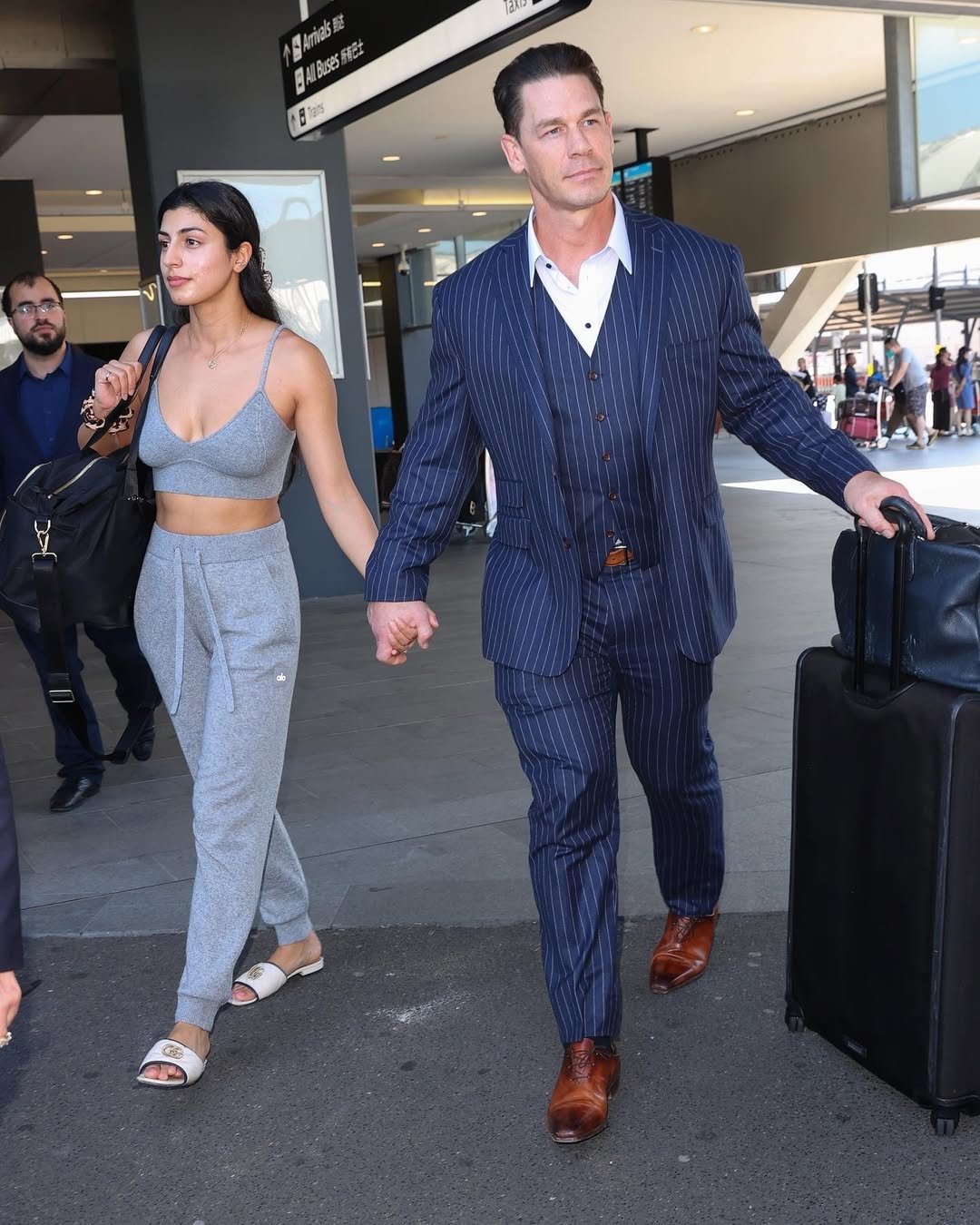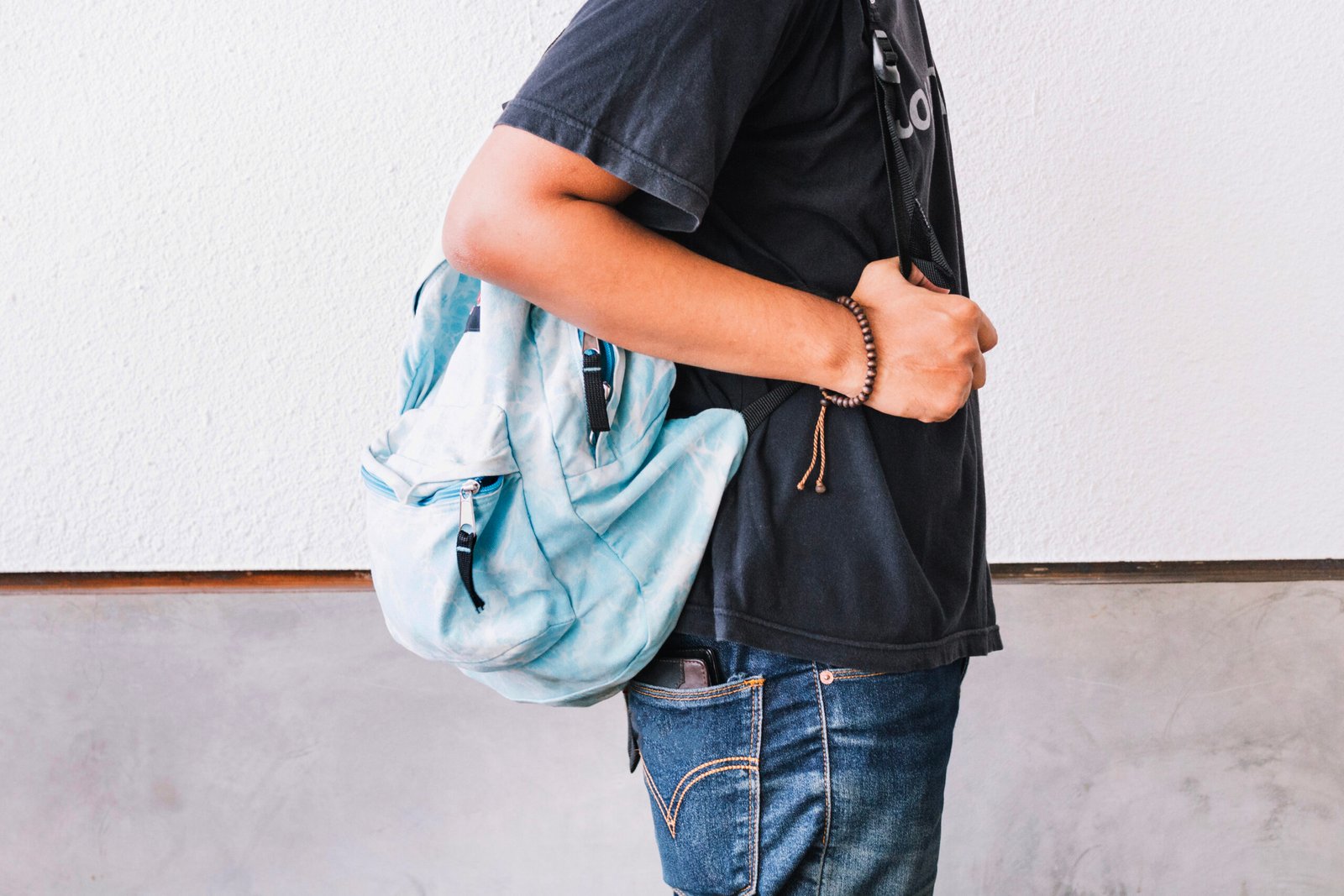
Your everyday bag may be doing more than carrying your stuff.It might be straining your back and twisting your spine.
This post unpacks the health effects of shoulder bags vs. backpacks and how to carry smarter
The Weight You Carry Isn’t Just Physical
Think about it: you sling a bag over one shoulder, run errands, walk long distances — day in, day out. But that single strap could be pulling your spine out of line without you noticing. A heavy bag, especially when worn on one side, forces your body to compensate. Your shoulder lifts, your neck tightens, and your spine curves slightly just to stay balanced.
Over time, this small imbalance can lead to:
- Neck and shoulder pain
- Muscle tension
- Poor posture
- Headaches
It’s not about how much you carry — it’s about how you carry it.
Shoulder Bags: Stylish but Straining
Shoulder bags are popular for their convenience and fashion. But they come with hidden costs.
Here’s what happens: You carry the bag on one side. Your muscles on that side work harder. The other side overcompensates. The result? Misalignment — especially if the bag is heavy or you wear it for long periods.
Common issues linked to shoulder bags:
- Uneven shoulders
- Hip tilting
- Pinched nerves in the neck
- Long-term upper back pain
Wearing the strap across your body helps a bit — but it still adds pressure to one side.
Backpacks: Better Balance, If Worn Right-Backpacks win when it comes to even weight distribution. With two straps, the load is shared between both shoulders — reducing strain.
Benefits of backpacks:
- Balanced posture
- Less pressure on neck and shoulders
- Easier to carry heavier loads
- Promotes core muscle engagement
But there’s a catch: If your backpack is worn too low, or you use only one strap, the benefits disappear.
How to Carry Smarter
- Lighten the load
Keep your bag under 10–15% of your body weight. Clear out what you don’t need. - Switch sides
If you must use a shoulder bag, alternate shoulders every 30 minutes. - Use both backpack straps
Always wear both straps snugly, and adjust so the bag sits high and close to your back. - Choose wide, padded straps
Thin straps dig into your muscles. Padding helps cushion the pressure. - Engage your core
Whether it’s a tote or a backpack, keep your core tight when walking. It improves balance and posture. - Mind your walking posture
Head up. Shoulders relaxed. Spine straight. Don’t lean to one side because of your bag.
Best Bag for Long-Term Comfort?
If you’re carrying books, a laptop, or daily essentials — a backpack is the healthier choice. For lighter loads or short outings, a crossbody or shoulder bag is fine, as long as you’re mindful.
Fashion is fun, but your body carries you for life. Choose what looks good and feels good.